Harriet Muncaster gives her top tips on how to write a story, from developing the characters to designing the plot.
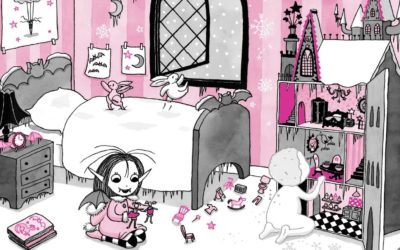
Harriet Muncaster’s creative writing challenge
read more

Harriet Muncaster gives her top tips on how to write a story, from developing the characters to designing the plot.

Guest blogger Claire Lotriet discusses the benefits of encouraging children to code, and explains the place of computing in the curriculum.
Plastic has been revealed as the Children’s Word of the Year by Oxford University Press for the BBC 500 Words Competition. British children have once again shown themselves to be fabulously inventive, funny and socially astute.

Science and engineering provide fantastic career opportunities, but science is not just for scientists – it’s a huge part of everyday life. A good grounding in science will help every child to navigate their world and make good decisions. Isabel Thomas recommends books for ages 3–11 to inspire your young scientist.
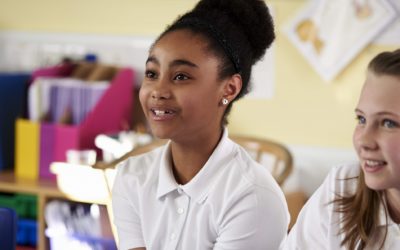
Oxford University Press surveyed over 1,300 teachers who reported that the word gap is not only affecting children’s achievement at school but also that it can have a damaging impact on self-esteem and children’s ability to make friends. Find out what you can do to encourage language development at home.
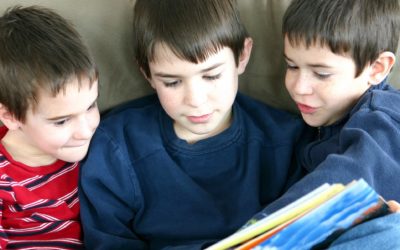
Who says we have to leave picture books behind in KS1? These wonderful books use spellbinding illustrations to introduce children to big ideas. Includes FArTHER and The Man Who Walked Between Towers.

Christopher Edge, author of ‘How to Write your Best Story Ever!’, shares his top 10 tips to help your child write amazing stories.

Harriet Muncaster, creator of Isadora Moon, picks her top 10 favourite magical children’s books, from old classics to graphic novels.

Every writer wants to find the perfect words to tell their story. These activities will guide your child through four ways to make language sparkle in their creative writing, from creating striking similes to wielding unusual words.
Every story needs a star! These four fun activities will help any aspiring author dream up some page-turning protagonists.

Top tips for helping children develop great plots in their creative writing.
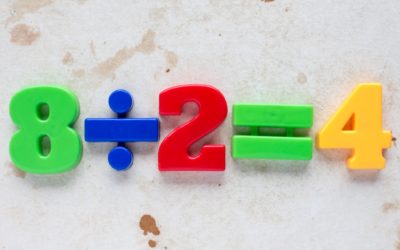
In primary school, children learn that division is about sharing things or grouping things. Here, we have put together some easy activities that you can try at home to build your child’s understanding of division.
Read more >